Where to Find Spring Carp: A UK Venue Guide
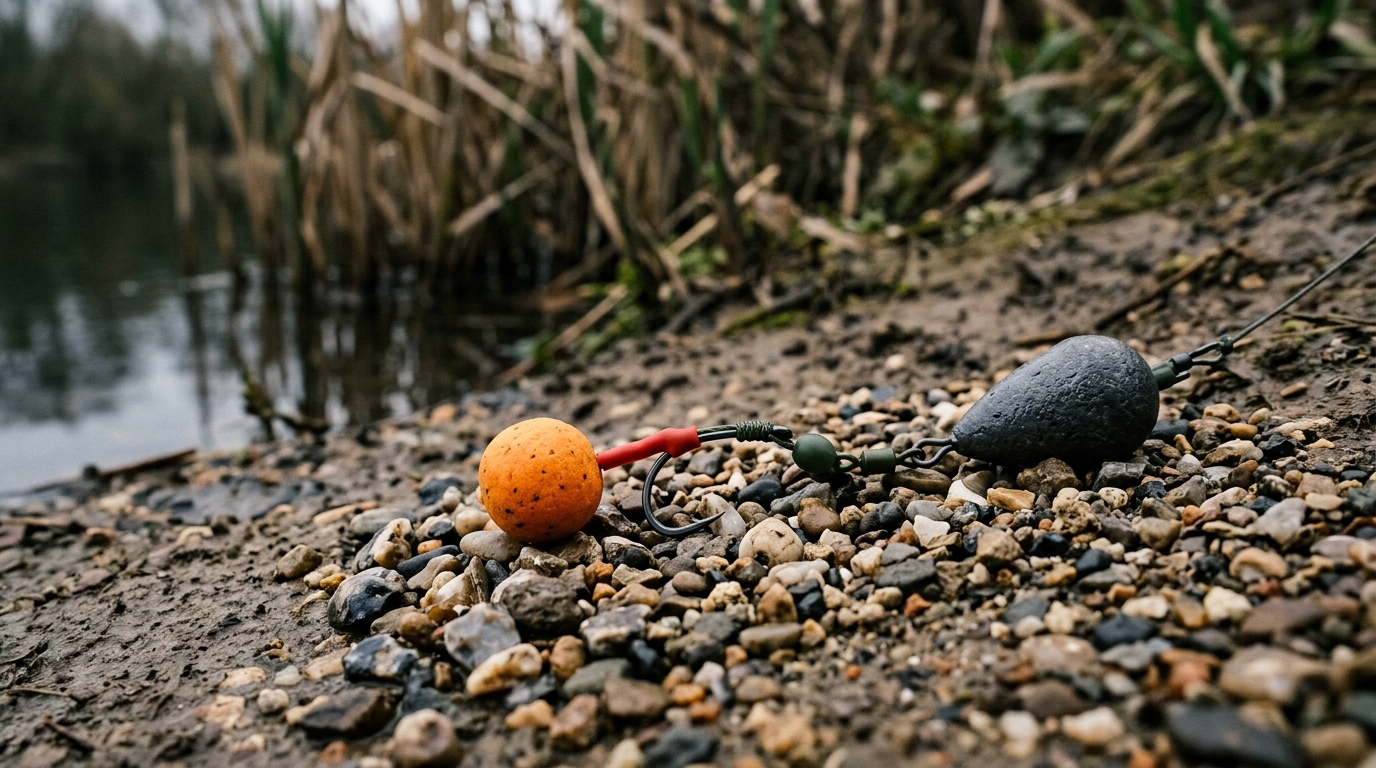
You’ve waited all winter. The water’s cold, the bank’s quiet, and you’re casting into the deep middle—again. Carp aren’t hiding; they’ve moved to the first shelf out from the drop-off, the sunlit silt-to-gravel edge, or the thin margin where weed meets clear bottom. If you’re not fishing there, you’re fishing blind.
How to Read a Gravel Pit in Spring
Gravel pits are the most predictable venue for spring carp. The bottom’s hard, the silt line is sharp, and the drop-off is a clean step. The honest answer? Carp will be on that 1–1.5 m shelf just beyond the main drop-off, right where the fine silt meets the coarse gravel. That 10 cm band is their morning sunbath and feeding lane.
Do This First – Gravel‑Pit Checklist
- Scan for the silt-to-gravel line. Aim your rig just inside it, not on it.
- Confirm depth with a weighted line or simple depth finder—1–1.5 m is the sweet spot.
- Watch for rolls or flashes near the margin; that’s feeding on emerging insects.
- Leave the deep centre alone unless you’ve seen a surface bite there.
Forum reports consistently show carp follow this pattern across many UK gravel pits in March and April. The shallow shelf holds warmth longer than deeper water, and the firm substrate lets carp rest without sinking into silt. The mistake? Casting deep because “big fish live there.” They do—in July. Not in early spring. If you’re unsure, start on the first obvious ledge. Adjust your depth by a few centimetres until the bait sits just above the silt, not buried in it.
Spring Tactics for Weedy Lakes
Weedy lakes trick you. The weed looks like cover, but carp won’t sit inside the thick patch. They hug the edge—where the weed ends and the gravel or sand begins. That 3–5 cm strip of weed at the margin is their highway. The water’s shallow, it warms fast, and insects land right there.
Do This First – Weed‑Lake Checklist
- Find the weed edge. Count the centimetres before clear bottom. Cast just inside it.
- Fish the inside of the weedbed, not the middle. The fish are there, not in the jungle.
- Use a semi-fixed lead clip or short anti-tangle boom. Ready-made rigs tangle here—anglers on UK forums say it’s the #1 reason they blank.
- If carp roll in the weed, drop your bait a few metres inside the edge. They’re after landed insects, not weeds.
Avoid the faff of casting into thick weed. It’s a waste of bait and patience. The fish aren’t hiding in it—they’re skirting it. A clean, controlled presentation beats a tangle-prone rig every time.
Silty Club Waters: Where the Fish Actually Are
Silty club waters look flat. No gravel, no weed, no obvious structure. But there’s always a subtle change—where the soft mud gives way to a firmer sand or gravel strip. That’s the golden line. As soon as the water warms up consistently for a few days, carp move onto that first shelf, again 1–1.5 m deep, and sun themselves along that 10 cm transition.
Do This First – Silty‑Club Checklist
- Walk the bank. Spot where the mud turns coarser. That’s your target.
- Cast just inside that line. Depth matters more than distance.
- Watch for a single splash or roll. That’s your green light.
- Ignore the deep middle. It’s still cold. No bites? You’re not missing fish—you’re missing the edge.
The same principle applies here as on gravel pits. The structure isn’t obvious, but it’s there. Beginners assume “no structure = no focus.” Wrong. The silt-to-gravel band is the structure. Lock onto it.
Margins, Wind, and What to Ignore
Margins are your best friend in spring—but only if they have a change in bottom type. Gravel edges, sand strips, weed-to-gravel transitions. Dense weedbeds with deep drop-offs? Those are spook zones until May.
Do This First – General Spring Checklist
- Prioritise margins with a visible substrate shift. Not just any bank.
- Stick to the designated path. Walking the very edge spooks fish and damages fragile bankside vegetation.
- If the obvious spots are blank, try a 2 m shelf 10 m out from lilies or overhanging branches. It’s the last warm hold before they head deep.
- Forget wind direction. It’s not driving food yet. Carp are chasing sun and structure, not plankton.
Seasonal angling reports indicate wind-driven plankton isn’t a factor until water temperatures climb higher. In March and April, the only thing wind affects is surface disturbance. If you’re casting over visible fish, even a slight breeze can spook them. That’s why a quiet approach matters more than wind angle.
How do I know if the water’s warm enough for carp to be feeding?
You don’t need a thermometer. If you see carp rolling in the margins or on the first shelf out from the drop-off, they’re feeding. No rolls? The water’s still too cold. Stick to the shallow edge. Let the sun do the work.
Should I fish the margins in spring?
Yes—but only the ones with a clear bottom change. Gravel edges, weed-to-sand transitions, or a thin sand strip. Avoid deep, dense weedbeds. Those are spook zones until the water warms properly. The fish aren’t hiding in the weed—they’re waiting just outside it.
Does wind direction matter in spring?
Not like it does in summer. Carp aren’t chasing plankton yet. They’re chasing warmth and structure. Wind might ruffle the surface, but it won’t move fish. Focus on the right edge first. Wind only matters if it’s blowing directly into your cast and making your bait splash.
What should I do if I’ve fished the obvious spots and still blanked?
Try the 2 m shelf about 10 m from lilies or overhanging branches. It’s the last warm spot before carp head into deeper, colder water. Many anglers report their first spring bites there after blanking the margins. It’s not glamorous—but it’s effective.
How do I avoid spooking fish in spring?
Walk the path, not the bank. Keep your movements slow. Set up your rod pod before you arrive. Never cast over fish you can see. A gentle bait drop and quiet approach make all the difference. This isn’t just for the fish—it protects fragile bankside habitat too.
Spring Carp Habitat Reference by Venue Type
| Venue Type | Key Feature | Depth Zone | Bottom Transition | Common Mistake |
|---|---|---|---|---|
| Gravel Pit | Silt-to-gravel line | 1–1.5 m | Fine silt → coarse gravel | Casting too deep |
| Weedy Lake | Weed edge | 0.5–1.5 m | Weed → sand/gravel | Fishing inside thick weed |
| Silty Club Water | Subtle firm strip | 1–1.5 m | Soft mud → sand/gravel | Assuming no structure = no fish |
| Margin | Substrate shift | 0.5–2 m | Any visible change | Fishing dense weedbeds |
| Secondary Shelf | 10m from cover | 1.5–2 m | Gradual slope | Ignoring lilies or branches |
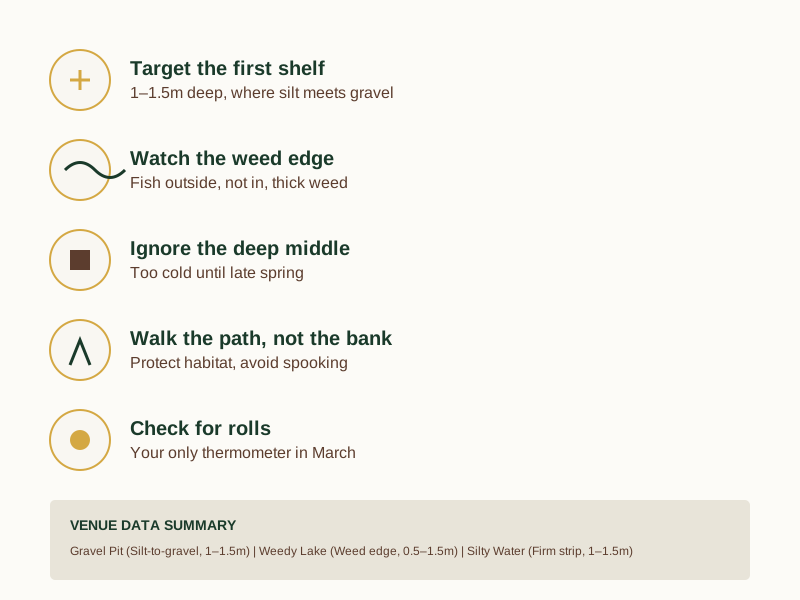
Spring carp aren’t elusive; they’re just waiting on the right shelf, the right edge, the right silt line. By spotting that 10 cm band where silt meets gravel, targeting the first 1–1.5 m shelf, and staying clear of deep, featureless water, you’ll turn those early-season blanks into solid bites.
Now that you know what to look for, the next logical step is to make sure your whole setup is ready—line, bait, rig and unhooking mat. Our free Beginner Carp Fishing Checklist walks you through every item, so you can head to the bank with confidence.
Download the Free Beginner Carp Fishing Checklist and start your spring season on the right foot.
Related Guides
For a complete overview, see our Winter Carp Fishing UK: Tactics, Rigs and Bait That Work .