Margin Fishing for Carp: Simple Tactics for Big Catches
As an Amazon Associate we earn from qualifying purchases. This page contains affiliate links — if you buy through them, we earn a small commission at no extra cost to you.
Most beginners think big carp need fancy gear — but the real edge is fishing the margins right. You don’t need a £200 pole, a dozen rigs, or a PVA bag full of boilies. You need to understand where the fish are, what they’re eating, and how to present a single bait without scaring them off. This isn’t rocket science. It’s patience, precision, and knowing what actually works on UK club waters.
What You Actually Need to Fish the Margins
A standard carp rod with a 3–3.5 lb test curve is more than enough for most UK margins – you don’t need a specialist “margin pole” until you’re consistently pulling 20 lb carp. Pair it with a bait‑runner or a reliable fixed‑spool reel that can hold around 200 m of 0.25 mm braid or 0.40 mm mono; the extra line capacity helps if the fish darts out of the edge.
Line: 0.25 mm braid gives low stretch and crisp hook‑sets; 0.40 mm mono is cheaper and works fine on calm days. Hook: Size 6–8 is the sweet spot for 10–15 mm boilies or pop‑ups; a size 10–12 only makes sense with larger baits, which most beginners don’t need. Bait: One 10–15 mm boilie or pop‑up per spot, topped with a pinch of fake corn or pellet for visibility. Unhooking mat: The Angling Trust’s fish‑care guidelines stress a mat on any muddy bank – it prevents bruising and keeps the carp happy. Licence: An EA rod licence is required for any coarse fishing in England and Wales, so make sure yours is up to date before you head out.
Cost breakdown (typical UK prices):
- Basic carp rod (e.g., Sonik Vader X) – around £40‑£60.
- Bait‑runner reel (e.g., Daiwa 6000 FS) – roughly £30‑£45.
- 0.25 mm braid – £15 per 200 m spool.
- Size 6‑8 hooks – £5‑£8 for a pack of 20.
- Fake corn/pellets – £5‑£10 per kilogram.
- Unhooking mat – £8‑£12.
All together you can assemble a starter margin kit for roughly £80‑£120. Anything promising a “margin pole” for £150‑£200 is overkill at this stage.
The honest answer is: you don’t need a dedicated margin pole or exotic rigs to start catching carp on the edge – a solid all‑round rod and reel will do the job.
Now you know what to buy – Download the Free Beginner Carp Fishing Checklist to make sure you’ve got every essential before you hit the water.
How to Read a Margin Without Overcomplicating It
A margin isn’t just “the water next to the bank”; it’s a series of micro‑habitats that carp patrol. The first thing to spot is a natural holding area – weed beds, lily pads, or a snag where fish can rest. Use a small float or a landing net to gauge depth: most productive margins sit 1.5–2.5 ft deep, giving carp a quick route back to the main bait bed.
Next, look for feeding lanes. Carp often use the same “high‑way” along the edge, especially on day‑ticket lakes where pressure pushes them outwards. A quick sweep with a float line will reveal a faint line of bubbles or a slight ripple where fish are moving.
Avoid bright, calm days on heavily pressured lakes. When the surface is glass‑like and the sun is high, carp tend to tuck deeper or move further out to avoid shadows. In those conditions, aim for the early morning or late afternoon when light is low and the water has a faint sheen.
Spot‑cast‑wait is the simplest approach: pick a promising weed‑snag combo, cast a short distance (under 20 m), let the bait settle, and wait for a subtle bite. No need for fancy sonar or night‑vision scopes.
Forum chatter suggests that anglers who take the time to map weed patches and target the shallow “step‑down” zones often see a noticeable improvement in bite rates compared to those who just cast along the entire edge.
The 3 Margin Rigs That Actually Work
1. Simple hair rig with wafter
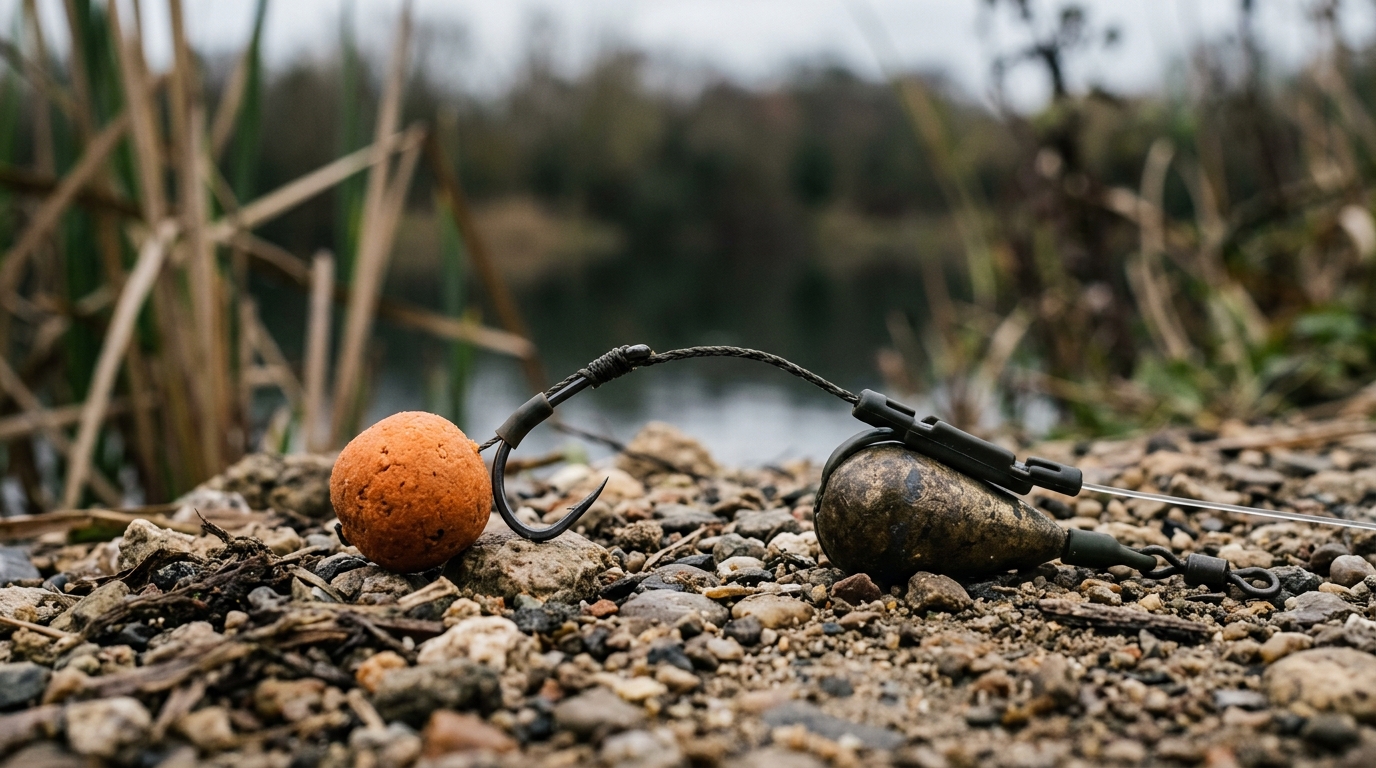
A hair rig with a 15 mm wafter and a size 6 hook is the go‑to on silty club waters. The wafter lifts the hook just enough to prevent snagging while staying low in the water column, which is crucial when the margin is only a foot deep. Ready‑made rigs cost around £9‑£12; tying your own drops the price to £4‑£5 but requires a bit of practice.
The consensus on UK forums is clear: on silty venues, a single 10 mm boilie on a hair rig often out‑fishes a multi‑bait PVA bag setup. The reason is simple – the hair rig presents less bulk, so the carp can pick it up without disturbing the surrounding silt.
2. Small float setup for weedy margins
When the edge is thick with weed, a tiny float (around 0.4 g) attached to a size 8 hook works wonders. The float keeps the bait just above the weed canopy, reducing the chance of the line being hidden. Use a short leader (about 30 cm) to minimise line visibility. This rig costs about £8‑£10 ready‑made; the components are cheap enough to keep a spare in your tackle bag.
Reports from club lake anglers indicate that in dense weed, a float rig can provide more consistent bites than a standard hair rig, which tends to get snagged.
3. PVA bag method – use with caution
PVA bags are popular, but on margins they’re often over‑used. The bag releases fine particles that can cloud the shallow water, making the carp wary. If you do use a bag, keep it to a single 8 mm bait and pair it with a size 6 hook – the smaller profile reduces spooking.
The consensus on Carp.com threads is that a single‑bait hair rig beats a PVA bag on margins for most UK anglers. The bag’s main advantage is convenience; the downside is the extra faff and the risk of a clouded edge.
Cost snapshot: ready‑made hair rigs £8‑£15, float rigs £6‑£12, PVA bags £5‑£10 per bag. For a beginner, the hair rig or float setup offers the best value‑for‑money balance.
Baiting Strategy: How Much, How Often, What Works
Less is more on the edge. Five to ten baits per spot is ample; throwing a handful of boilies will often spook the fish and waste money. Start by baiting each chosen spot once – lay a single 10–15 mm boilie or pop‑up, then add a pinch of fake corn or a few hard pellets on top for extra visibility.
Frequency: A light pre‑bait before the session (around 15 minutes prior) gives the carp a chance to investigate. After that, resist the urge to “top‑up” every hour – a second bait‑up halfway through the session is usually sufficient. Over‑baiting creates a cloud of scent that can push cautious carp further out.
Bait choice:
- Boilies: Mainline Cell (paid link) boilies are a mainstream confidence bait; they run about £15‑£25 for a 1 kg bag.
See Mainline Cell price on Amazon → (paid link)
Pop‑ups: For spring/summer sessions, a pop‑up adds visual appeal; Dynamite Baits Monster Squid pop‑ups are premium (£0.22 each) but a cheaper 10 mm pop‑up from a local shop works just as well.
Fake corn/pellets: Cheap and effective – £5‑£10 per kilogram, and they sit nicely on top of a boilie for added contrast.
The pattern on many UK day‑ticket lakes shows that anglers who stick to a restrained baiting approach often outperform those who scatter dozens of baits. The key is consistency and restraint.
Common Margin Fishing Mistakes Beginners Make
- Over‑baiting – The belief that more bait equals more bites is a myth. Over‑baiting creates a scent wall that can scare carp away, and it also blows your budget.
- Wrong hook size – Using a size 10 hook with a 40 mm boilie on the margin is a classic error. Experienced UK anglers find that a size 6 hook paired with a 15 mm pop‑up out‑fishes the larger hook on shallow edges. The smaller hook offers a tighter hook‑hold and better presentation.
- Ignoring line lay – Carp can see a loose line and will shun the area. Keep the line tight from the rod to the hook, especially when using a bait‑runner; a loose line reduces bite detection.
- Casting too far out – The margin’s sweet spot is usually within 15–20 m of the bank. Casting beyond that often lands you in open water where the carp aren’t feeding.
- Skipping the unhooking mat – Even on a muddy bank, the Angling Trust recommends a mat to protect the carp’s belly and reduce handling stress. Skipping it can lead to bruising and a loss of future opportunities.
The common gripe is that beginners “over‑complicate” with heavy rigs and massive baits, when the simple, tight‑line hair rig does the job.
When NOT to Fish the Margins
Margins work best when the water depth is 1.5–2.5 ft and the bottom is gently sloping. Avoid them in these situations:
- High, clear water: Carp will move deeper to stay out of sight.
- Heavily pressured lakes: On busy day‑ticket venues, fish often avoid the edge and stay in the centre.
- Very weedy margins: If the weed is dense enough to hide a float, carp will tuck into the weed rather than feed at the edge.
- Very silty margins: Deep silt can hide bait and make detection difficult; a deeper centre‑water spot is preferable.
- Bright, calm days: Sun glare and still water push carp away from the edge.
For example, on a silty club water, you’ll often see a sharp drop in margin bites on a sunny Saturday, while the same lake on an overcast evening yields steady action. In those conditions, move your focus to the centre or a deeper “feeding lane” instead of persisting on the edge.
How to Fish the Margins Successfully
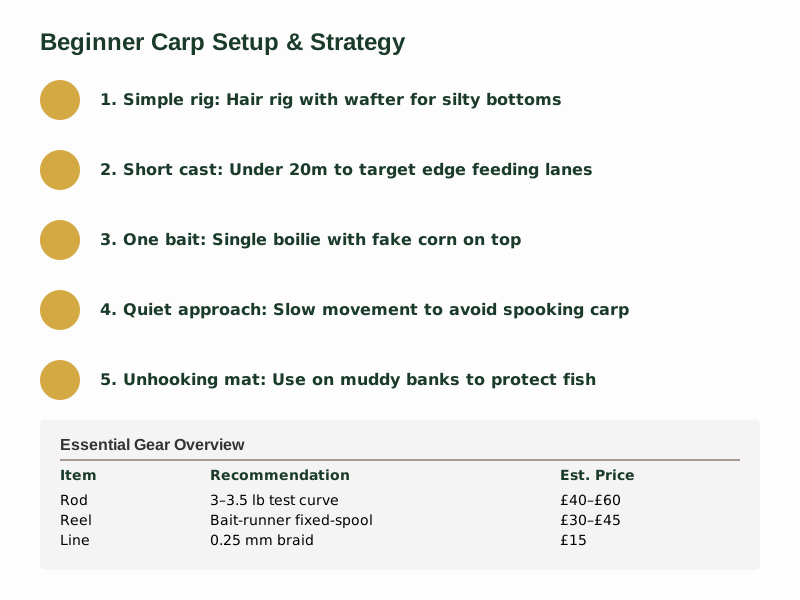
1. Find the feed zone. Walk the bank before you cast. Look for bubbles, ripples, or weed patches. Use your landing net to feel the depth – 1.5–2.5 ft is your target. 2. Keep it simple. One boilie or pop‑up, one hook, one bait. No PVA bags, no multi-bait spreaders. 3. Cast short. Under 20 m. Often under 15 m. You’re not trying to reach the middle of the lake. 4. Stay quiet. Move slowly. Don’t clank tackle. Carp hear your footsteps. 5. Wait for the subtle bite. A slow dip, a slight wiggle, the line going slack – not a violent yank. Bait runner reels help here.
That’s it. No gadgets. No theory. Just the basics done well.
Common Questions
Do I need a special pole to fish the margins?
No. A standard carp rod with a 3–3.5 lb test curve is more than enough for most UK waters. Specialised margin poles are overkill for beginners and add unnecessary cost.
What bait should I use for margin fishing?
Start with a 10–15 mm boilie or pop‑up, topped with a pinch of fake corn or hard pellet for visibility. This simple presentation works on both silty and weedy edges.
How close can I get to the fish without spooking them?
Generally stay within 15–20 m of the bank and use a bait‑runner reel to keep line movement minimal. Carp can see shadows, so a slow, deliberate cast is key.
Is margin fishing worth it on a busy day‑ticket lake?
Yes, but only if you read the water correctly. Look for feeding lanes and avoid bright, calm periods when fish retreat deeper. On pressured lakes, the edge can still produce bites if you target the right micro‑habitat.
What rig should I use for margin fishing?
A simple hair rig with a 15 mm wafter is the most reliable starter rig for silty club waters. For weedy margins, a small float setup works better. Avoid over‑reliance on PVA bags unless you’re comfortable with the extra faff.
Starter Margin Fishing Gear Cost Guide
| Item | Recommended Option | Typical UK Price Range |
|---|---|---|
| Rod | 3–3.5 lb test curve carp rod | £40–£60 |
| Reel | Bait-runner fixed-spool | £30–£45 |
| Line | 0.25 mm braid | £15 per 200m spool |
| Hook | Size 6–8 | £5–£8 for 20 |
| Bait | 10–15 mm boilie or pop-up | £15–£25 per kg |
| Unhooking mat | Standard size | £8–£12 |
| Fake corn/pellets | For visibility | £5–£10 per kg |
Your Next Step
Margin fishing isn’t a secret reserved for elite anglers – it’s a straightforward, low‑cost tactic that works for anyone with a basic carp rod and a bit of patience. By stripping away the unnecessary kit, reading the edge for weed, snags, and feeding lanes, and using a tight‑line hair rig with a modest bait load, you’ll dramatically improve your chances of landing that first carp.
If you want a quick sanity‑check before you head out, Download the Free Beginner Carp Fishing Checklist . It walks you through the essential gear, the right rig choices, and the baiting steps you’ve just read about.
For more honest advice on carp fishing without the hype, check out our blog . And if you’ve got a question we haven’t covered, get in touch .
Good luck on the margins – the big carp are waiting just a few metres from the bank, and with the right basics in place, you’ll be the one to snag them.
Related Guides
For a complete overview, see our Winter Carp Fishing UK: Tactics, Rigs and Bait That Work .
As an Amazon Associate we earn from qualifying purchases.