How to Find Carp in a Lake Without a Marker Rod

You don’t need a marker rod to find carp. Most beginners waste their first session staring at blank water, waiting for fish to show up—when the truth is, carp leave clear signs if you know where to look. With just your eyes, a bit of patience, and a quiet approach, you can spot exactly where to cast before you even tie on a hook.
Surface Signs: What the Water Is Telling You
A slow, circular ripple near a reed or lily pad is often a carp cruising for food. The wake is subtle – a faint “V” shape that widens a metre or two behind the fish. By contrast, a sudden splash or a chaotic boil usually means perch, roach or surface‑feeding predators are at work.
UK forum regulars consistently point out that the only bites they recorded on a first‑time visit came after they targeted a gentle, expanding ripple rather than a noisy boil in the centre of the lake. The reason is simple: carp move slowly near cover, stirring the silt just enough to create a faint surface disturbance. If you see bubbles rising steadily from the bottom, that’s another good sign – it often means a carp is feeding on insect larvae or small crustaceans.
Avoid the temptation to chase every bubble. A spray of bubbles from a wind‑driven weed patch usually signals minnows, not carp. Keep your eye on the calm, rolling ripples that linger a few seconds before fading; that’s where the carp are most likely to be feeding.
The honest answer is: look for slow, circular ripples near cover, ignore loud splashes, and focus on steady bubbles rising from the bottom. That simple visual filter cuts out a lot of wasted casts.
Weed Edges and Structure: The Carp’s Comfort Zone
Carp love weed edges because the vegetation provides shelter from predators and a convenient place to ambush drifting food. The “edge” isn’t the thickest part of the weedbed – it’s the line where clear water meets a denser stand of reeds or lily pads. On a typical weedy lake, that transition is visible as a colour shift or a change in water clarity.
UK anglers repeatedly report success when they cast just outside that line, aiming for the open water that borders the weed. Fishing inside the dense mass is a faff: rigs get tangled, and you lose bait without ever tempting a carp. By positioning your hook a metre or two beyond the weed line, you give the fish a clear route to take the bait while still feeling safe enough to linger.
If you’re on a snag‑prone water, the same principle applies – aim for the “clean edge” where the weed thins out. For a deeper dive into rig choices that survive weed, see our guide on rigs for weedy lakes and the companion piece on rigs for snaggy waters.
Depth Changes and Gravel Pits: Finding the “Drop‑Off”
A change in water colour or a subtle shift in surface reflection almost always marks a change in depth. In a gravel pit, the shallow, sun‑lit zone meets a deeper, cooler basin – the classic “drop‑off”. Carp use this transition as a feeding highway, cruising along the edge where the light fades.
Spotting the drop‑off is easier than you think. Walk the bank and look for a line where the water darkens slightly or where the surface seems less reflective. That contrast is the visual cue that the bottom has dropped. Cast your rig just above this line; the carp will often sit a few metres into the deeper water, waiting for food to drift over the ledge.
Avoid casting in the flat middle of the pit unless you see surface activity, because the fish are unlikely to linger in featureless, uniform depths. For rigs that work well on deeper water, check out our recommendations on rigs for deep water.
Wind and Sun: Using Natural Elements
Wind is a silent bait‑carrier. When a breeze blows across the lake, it pushes surface insects, plankton and small debris towards the bank. Carp instinctively feed into that flow, positioning themselves where the food line meets the windward side.
A practical rule of thumb: stand with the wind at your back and cast into the wind. This not only places your bait in the feeding lane but also reduces the chance of your line being blown off target. The Anglers’ Net watercraft guide notes that “reading the wind is a core skill for any carp angler” – a sentiment echoed across UK club forums.
Sunlight works the other way. Early morning and late evening sun warms the surface, encouraging carp to rise from deeper cover. Mid‑day heat drives them back into shade or deeper water. Avoid casting directly into the midday sun; instead, look for shaded patches or deeper zones where the water stays cool.
For bait choices that hold up in windy conditions, see our article on bait for windy days.
Time of Day: When Carp Are Most Active
Carp are crepuscular feeders – they come alive at dawn and dusk. The first two hours of daylight and the last two hours of light are when the fish are most likely to bite. During these periods the water temperature is stable, and the fish are actively feeding after a night of rest.
Midday is generally a “rest” period. Carp retreat to deeper, cooler water and become less responsive to surface baits. If you only have a few hours on a day‑ticket, plan your session around the sunrise and sunset windows. For night‑time anglers, the Angling Trust’s fish‑care guidelines stress that you must be prepared to handle fish responsibly – a night session can be productive, but it also demands extra care with lighting and handling.
For a quick reference on handling and welfare, see our guide on fish care for beginners .
What Not to Do: Common Beginner Mistakes
- Don’t stand too close to the swim. Your shadow can spook carp, especially in shallow water. A common complaint on UK forums is that beginners lose every bite because they’re perched right at the water’s edge, casting into the fish’s line of sight.
- Don’t cast blindly. Always have a visual reason – a ripple, a weed edge, a depth change – before you let go. Random casting wastes your entry fee and builds bad habits.
- Don’t make sudden movements. Carp are sensitive to noise and vibration. Even a quick shuffle on the bank can cause a carp to retreat to deeper water.
- Don’t fish in the middle of a featureless lake without any signs. Start at the edges; work your way inwards only if you see surface activity.
For a reminder on the legal side, the EA’s rod‑licence rules apply to all coarse‑fishing in England and Wales – you need a licence even on day‑ticket waters. Details are covered in our piece on rod licence rules for beginners .
Do I really need a marker rod to find carp?
No. You can locate carp by reading surface ripples, weed edges and depth changes. Marker rods are a convenience, not a necessity, and many beginners catch their first fish without one.
What’s the best time of day to fish for carp?
Dawn and dusk are the peak feeding periods. Midday is usually a rest phase, and night sessions require extra care and proper fish‑handling preparation.
How can I tell if I’m scaring the fish?
If you see carp moving away from your line of sight, increasing the distance between you and the swim, or if surface activity drops suddenly after you settle, you’re likely spooking them. Move back a few metres and try a quieter approach.
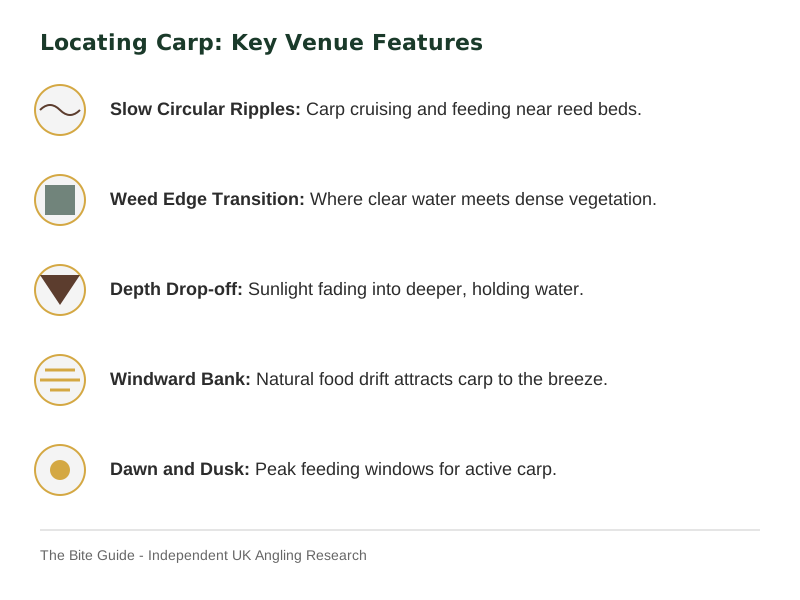
You now have a mental map of the key cues: slow ripples near cover, the edge of weed beds, the drop‑off where shallow meets deep, wind‑driven feeding lanes, and the crepuscular windows when carp are most active. All of this can be done with a basic rod‑and‑reel and a keen eye – no £300 marker rod required.
The next logical step is to make sure you haven’t missed any of the basics before you head back out. Download the Free Beginner Carp Fishing Checklist and run through it on the day‑ticket – it’s a quick way to confirm you’ve covered everything from licence checks to bait preparation.
Remember, carp are sensible fish. They’ll reward a calm, observant approach far more than a frantic, gear‑heavy one. Keep your casts focused, your movements quiet, and let the water tell you where the fish are hiding.
Related Guides
For a complete overview, see our Winter Carp Fishing UK: Tactics, Rigs and Bait That Work .